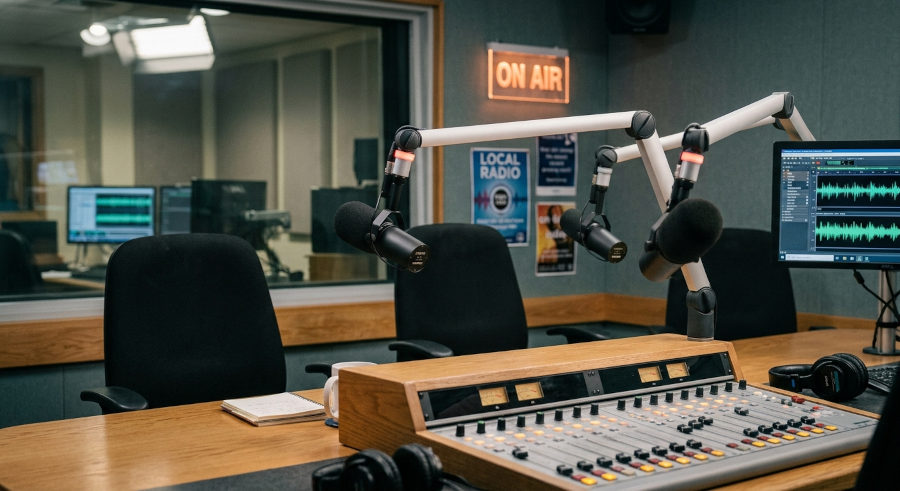
A few weeks ago, I was lucky enough to have the opportunity to speak about menopause on the radio and what made it even more special was that I was chatting to two gentlemen about it.
Being able to sit and have an open, honest conversation about menopause with men is exactly what we need more of. Because menopause isn't just a conversation for women. Partners, husbands, friends, colleagues and family members can all be affected by it in different ways and understanding what someone may be experiencing can make such a difference.
Menopause can be a huge life transition and while we often talk about how it affects the person going through it, we don’t always talk about the impact it can have on relationships.
When you’re dealing with symptoms like exhaustion, anxiety, low mood, brain fog, irritability, poor sleep or a loss of confidence, it can sometimes feel like you’re not quite yourself. And when you don't feel like yourself, it can inevitably affect the people closest to you.
Partners may find themselves wondering what has changed. They might not understand why someone who used to have the energy to do everything suddenly feels completely drained. Or why small things that never used to cause an argument suddenly become the final straw. And for the person experiencing menopause, it can be incredibly frustrating too.
You may not always understand what's happening yourself, let alone know how to explain it to someone else. You might feel guilty about how you're feeling, worry that you're becoming a different person, or feel like your relationship is changing in ways you didn't expect.
Then there are the conversations around intimacy.
Changes in hormones can affect libido and intimate comfort, but these are often difficult subjects to talk about. It can be easy for one person to feel rejected and the other to feel pressured, misunderstood or simply not interested in intimacy in the way they once were.
None of this means that your relationship is broken.
Sometimes, it simply means that you're both trying to navigate a period of change that neither of you fully understands yet.
That's why talking about menopause matters, not just between women and their friends, but between partners too.
Understanding that changes in mood, sleep, energy, confidence and intimacy can be part of the menopause transition can help take some of the confusion and blame out of the situation.
It doesn't magically fix everything, of course. Relationships are complicated and menopause isn't responsible for every relationship difficulty. But having a better understanding of what someone may be experiencing can make it easier to approach things with a little more patience, compassion and communication.
If you're a partner, or you're going through menopause and would like to help your partner understand a little more about what you may be experiencing, I've created a free Menopause and Partners Guide with information and practical suggestions to help open up those conversations.
Because menopause may be happening to one person, but its impact can sometimes be felt by two. And understanding what's happening can help you navigate the changes together.
You can find my free guide on my Resources page: Click Here